A lakeside retreat grown from decades of environmental work, shaped by indigenous hands, and opened with a deep belief that nature can heal those who dwell within it.
Kapusod was not planned — it emerged. A piece of land on the shore of Taal Lake in Mataas na Kahoy, Batangas, became the canvas on which two lives of environmental stewardship found a physical home.
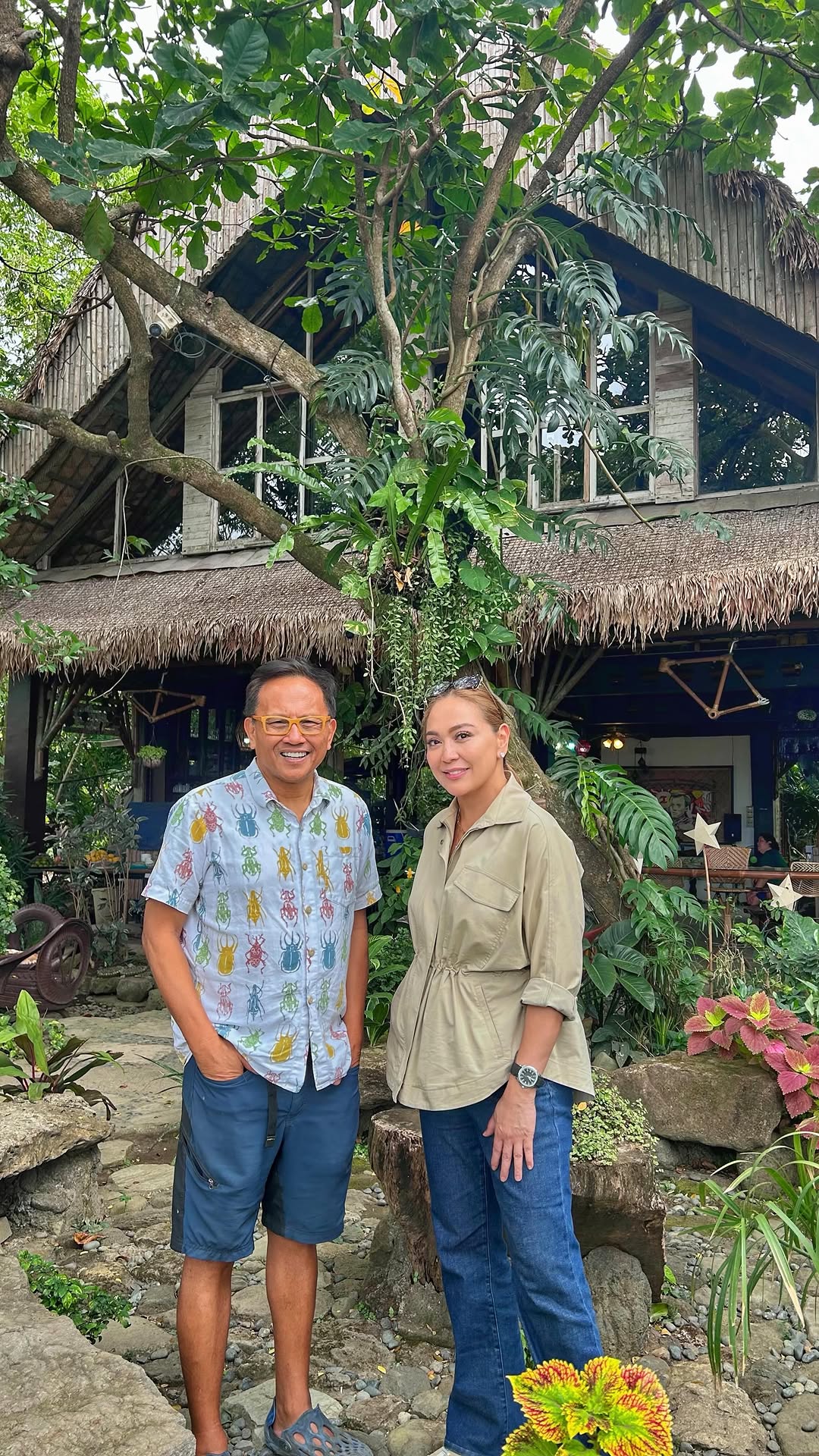
Howie Severino, award-winning journalist and longtime chronicler of the Philippine environment, and Ipat Luna, one of the country's foremost environmental lawyers, poured not just resources but decades of conviction into this property. They built it the way they have always believed the world should work — in harmony with the earth rather than at its expense.
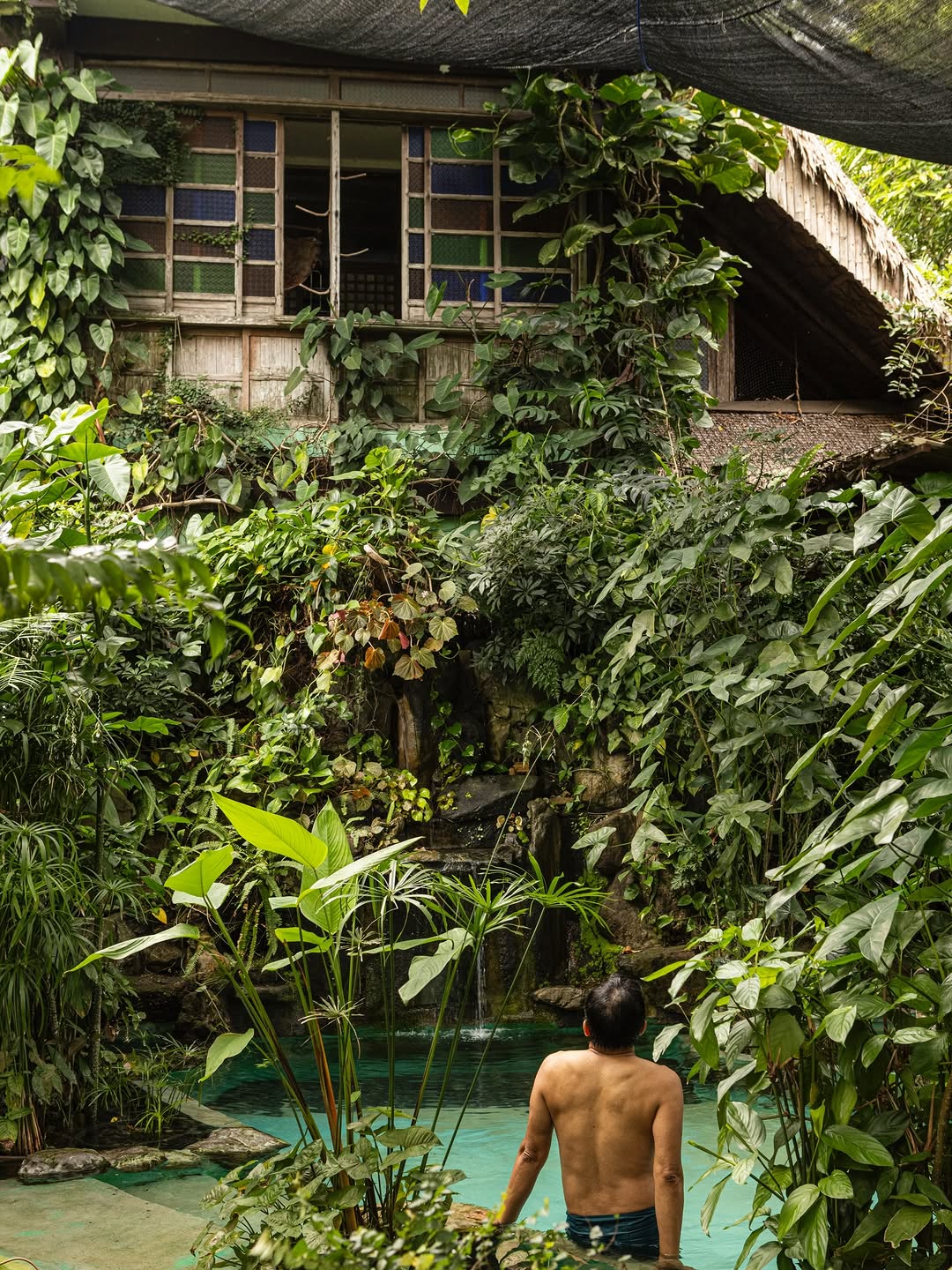
Every structure was erected with indigenous materials: bamboo, rattan, cogon grass, clay, and stone gathered from the surrounding landscape. Every plant in the garden was chosen for its ecological role as much as its beauty. The natural pool — filtered through gravel, mesh, and living organisms — became a symbol of the place's deeper promise: that it is possible to inhabit the land without harming it.
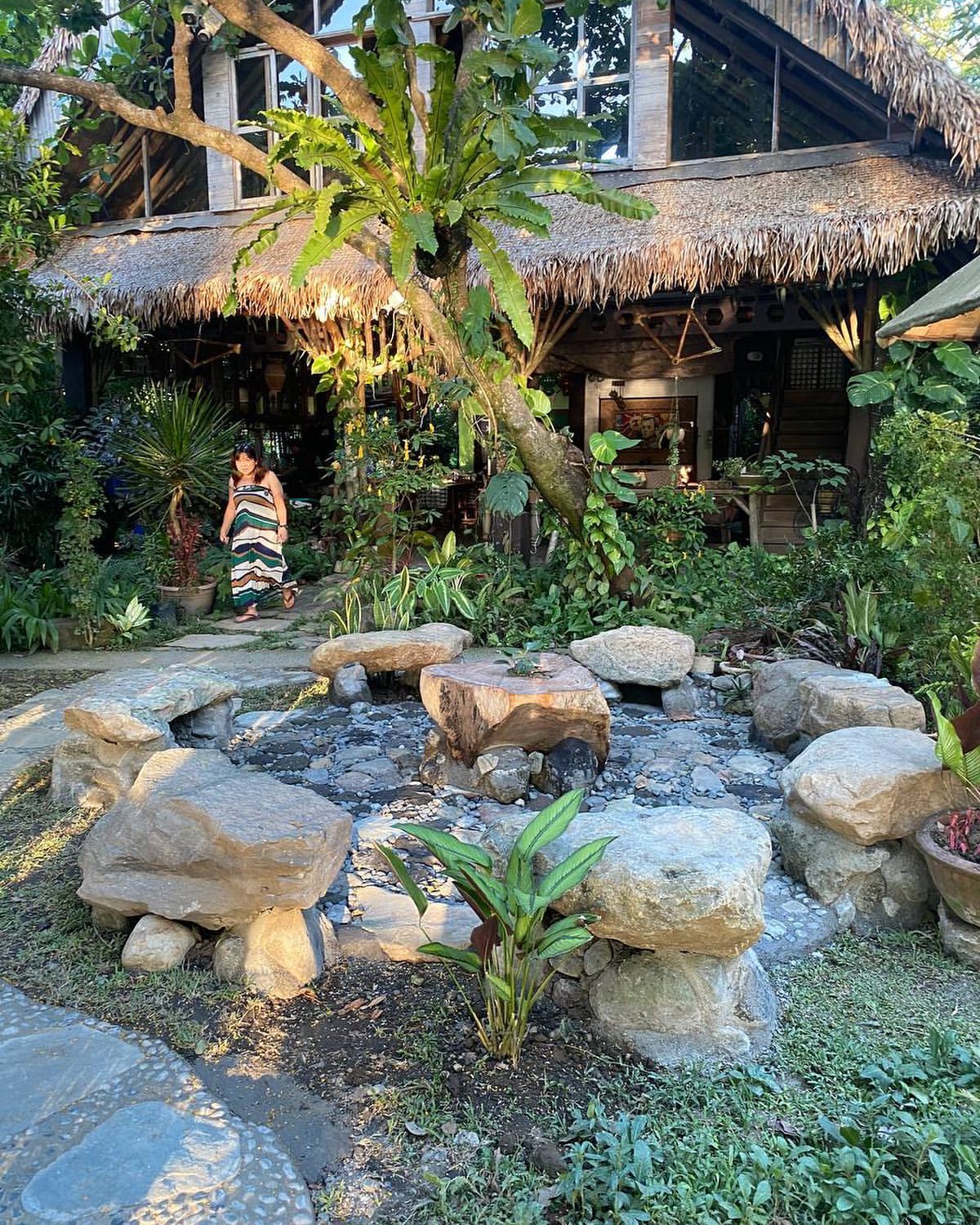
What began as a private residence — a deeply personal retreat for the family and their circle — gradually opened its gates to others.
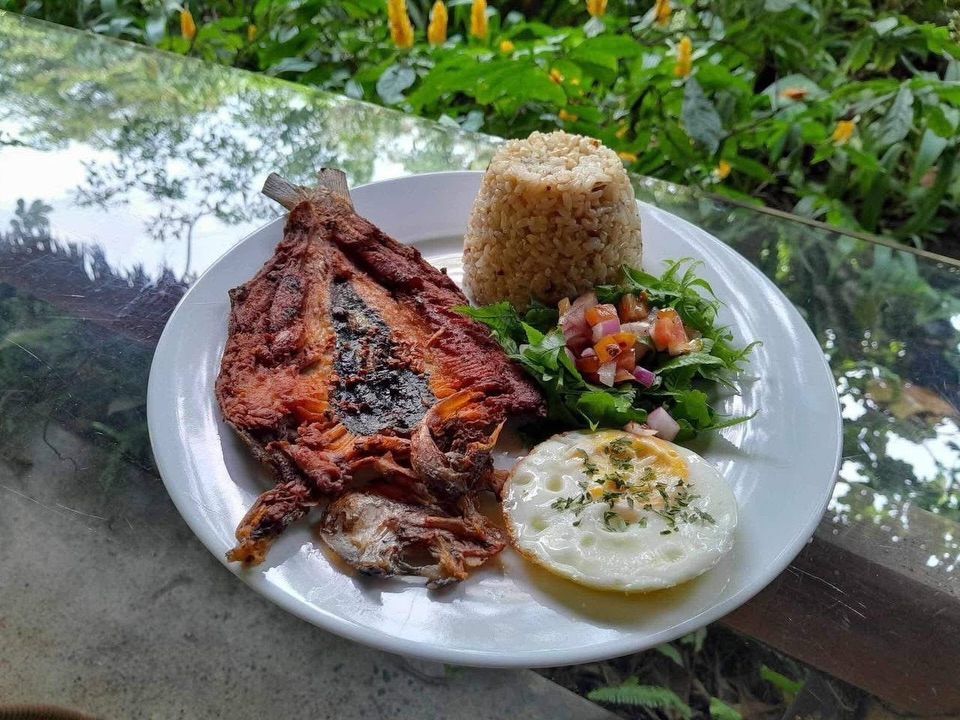
Kapusod became a place where guests could kayak on Taal Lake, swim in a pool untouched by chemicals, wake to birdsong rather than traffic, and eat meals rooted in authentic Batangas culinary tradition. It became a venue for cultural workshops — Baybayin script sessions, ikebana, pilates by the water, community seminars — all held within a landscape that insists on unhurried attention.
The name itself encapsulates the spirit: kapusod in Tagalog evokes kinship, connection, the bond between those who share the same root. This is a place where guests do not simply visit — they belong, if only for a day or a night, to the living community of this lakeside world.
Kapusod has been the subject of features in Philippine media, vlogs by journalists, and has drawn visitors from Manila and beyond seeking an alternative to conventional resort culture. The retreat is located just 1.5 hours from Makati — close enough for a weekend, far enough to feel like another world.
Three principles guide everything that happens at Kapusod — from the materials used to build it, to the food served at the table.
Every decision — what to build, what to grow, how to manage water and waste — is made with the health of the surrounding ecosystem as the primary measure of success. Taal Lake is a neighbor, not a backdrop.
Bamboo, rattan, cogon, and clay are not nostalgic choices — they are intelligent ones. These materials breathe with the climate, last in tropical conditions, and honor the knowledge of the communities who mastered them over centuries.
Kapusod is not a passive escape. Guests are invited to participate — in workshops, in the life of the garden, in the conversations that happen naturally when people slow down and pay attention to where they are.
Built and operated by advocates who have spent their careers defending the Philippine environment. Every choice here is a statement about the kind of relationship with nature they believe in.
From the pool to the garden to the kitchen — Kapusod resists the reflex to reach for synthetic solutions. The natural pool is a point of pride, filtered entirely by biological and physical systems.
Philippine heritage is visible in every corner: Baybayin inscriptions, dap-ay gathering spaces, Karakoa-named structures, traditional foods, and the Batangas culinary tradition at the table.
Kapusod has weathered typhoons and volcanic eruptions — and opened after each, continuing to serve guests and demonstrate that nature, tended carefully, recovers and endures.
The tagline is simple and entirely intentional: "a green and happy place to relax and recharge." Not a lecture, not a program — just the invitation to be present in a beautiful place, in good company, with good food, surrounded by the Taal Lake ecosystem.
A living property shaped by seasons, storms, and the steady accumulation of care.
Howie Severino and Ipat Luna acquire a property on the shore of Taal Lake in Mataas na Kahoy, Batangas — a decision rooted in their environmental convictions and a longing for a retreat connected to Philippine nature.
The Cabana and early garden structures take shape using bamboo, cogon thatch, and local stone. The natural swimming pool — a key expression of the retreat's chemical-free philosophy — is established and begins to mature its filtration ecosystem.
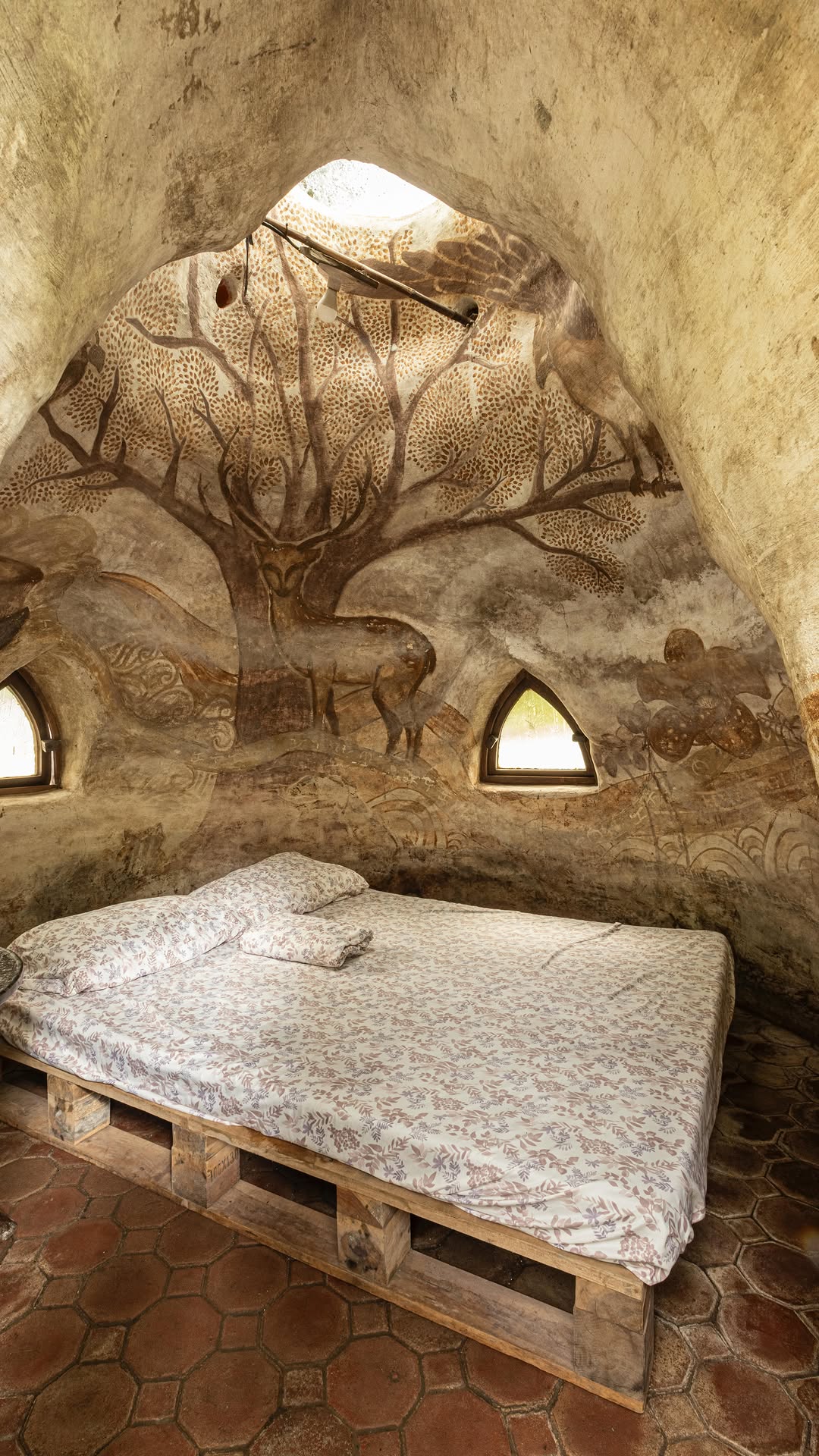
The Treehouse — a canopied bamboo nest elevated above the forest floor — and the Karakoa, a two-bedroom earth house named after the ancient Philippine sailing vessel, bring overnight accommodation to Kapusod. Guests begin staying for extended visits.
Kapusod expands its identity beyond accommodation — hosting Baybayin script seminars, ikebana and pilates sessions, field trips for students, bikers' gatherings, lakeside weddings, and a regular community of visitors from Manila and Batangas.
The retreat is featured in vlogs, design publications, and press coverage. Described as a "legendary place," Kapusod draws a growing community of visitors seeking genuine ecological retreat within reach of Metro Manila.
Following typhoon damage, Kapusod opens for meals to support recovery efforts and demonstrates its resilience — the windmill spins again, the garden rebounds, and the retreat continues welcoming guests through the recovery.
A striking geodesic dome joins the accommodation lineup — an architectural statement that blends geometric precision with the Taal lakeshore landscape, drawing skygazers and design enthusiasts alike.
Kapusod continues to grow — new flowers, new structures, new visitors — always in conversation with the lake, the sky, and the ecological philosophy that has guided every decision from the beginning.
From the Treehouse to the Dome — discover the structures we have built in conversation with Taal Lake and the surrounding forest.
View AccommodationsDay use or overnight stay, weekday retreat or weekend gathering — send us an inquiry and we will help you find the right arrangement.
Send an Inquiry